Running a digital agency is exciting until growth starts to wear you down. If you’re juggling too many roles or passing on new projects because there’s simply no more room on your plate, you’re not the only one. It’s a point every agency owner hits at some stage.
What you decide to do next often determines whether your agency stays stuck or starts building momentum again. And no, it doesn’t require building a vast in-house team or committing to heavy monthly overhead.
In this article, we’ll break down how others in the same position are finding more innovative ways to meet demand, expand their service offerings, and maintain their energy.
Let’s look at one of the more strategic ways to grow: white-label licensing.
The Agency Owner’s Dilemma
At some point, every agency owner faces a choice.
- Keep doing everything manually
- Hire and train a team from scratch
- Or find a way to get more done with less effort
But hiring takes time. Building systems takes even longer. Missing deadlines or turning away clients can affect your reputation.
That’s where the real problem lies: most owners aren’t stuck because they lack skill, they’re stuck because they’re alone.
If this sounds familiar, it’s time to rethink how growth works.
What Is White Label Licensing (And Why Should You Care)?
White label licensing enables you to offer additional services to clients under your brand without needing to develop the service from scratch.
You’re not outsourcing to strangers. You’re licensing pre-built systems, tools, and teams that already work. It’s not just “reselling” services, it’s plugging into a full setup that delivers results behind the scenes while you focus on your client relationships.
Imagine being able to:
- Offer SEO, content, design, ads, and GMB without hiring for each one
- Use done-for-you sales decks, SOPs, and client materials
- Rely on trained VAs that are already paid for and working
- Keep 100% of the client relationship and control
That’s what white label licensing makes possible. For the right team or business, it can be the difference between struggling to keep up and confidently saying ‘yes’ to growth.
Signs You're Ready for White Label Licensing
White label isn’t for everyone. But if you’ve been in the game for a while and recognize any of the following, it’s worth exploring:
- You’re saying no to projects you know you can close
You’re capable of landing more clients, but you can’t fulfill the work alone, or don’t have time to set up the systems for it. - You’ve tried hiring, but it didn’t stick
Freelancers disappear. Full-timers are expensive. Managing a team can consume a significant portion of your day. You’re looking for something more stable without having to start from scratch. - Your current offer feels too limited
You’re great at one or two things, but clients want a full service like SEO plus web dev, or design plus GMB. You know, offering more would help you land bigger accounts. - You’re ready to treat this like a business, not just a side hustle
You’re not just freelancing anymore. You want a real agency, with clients, systems, and consistent income, even if you’re not the one doing all the work.
What a Good Licensing Program Includes
Not all white label programs are created equal. If you’re going this route, look for one that does more than just sell services. The right program should equip you with:
1. Done-for-You Fulfillment
You shouldn’t be the one writing the articles, building the citations, or managing campaigns. A strong backend team should handle this part, allowing you to focus on closing deals and managing client expectations.
2. Sales and Client Materials
From pitch decks to onboarding guides, you need resources that help you present your agency like a pro, even if you’re just starting to offer that service.
3. Trained VAs (with Salaries Included)
Hiring VAs can be hit or miss. A proper white label licensing program should include virtual assistants who are trained, experienced, and already working in your backend team with no extra cost to you.
4. Step-by-Step Service Training
You don’t have to be an expert in SEO, GMB, or content to offer them. But you should understand the basics. Look for training modules that explain what is being done, why it matters, and how to discuss it with clients.
5. Ongoing Support & Community
Things will come up with questions, feedback, and client needs. The best programs include support groups, active communication, and even coaching, so you’re never left to figure it out alone.
How This Helps You Grow Without Burnout
Let’s be real: most people in this space aren’t afraid of work, they’re tired of waste. Wasted time. Wasted leads. Wasted momentum.
A licensing model removes the “build it yourself” bottleneck. You can take on new offers, speak to new niches, and land more retainer clients without being the bottleneck in delivery.
This doesn’t just help your income. It helps your peace of mind.
Here’s what it looks like in practice:
- You pitch your services using proven sales materials.
- You onboard clients using plug-and-play SOPs.
- The backend team does the work.
- You handle the client communication (and collect the check).
No missed deadlines. No untrained hires. No late nights figuring out tools.
Still Unsure About Licensing? Here’s What You Might Be Missing
“Will my clients know it’s not me doing the work?”
Not unless you tell them. Everything is done under your brand. You remain the primary point of contact and project owner.
“Is this ethical?”
Whitelabeling is a common business model across various industries, including software and marketing. As long as the work is delivered as promised, it’s honest and valuable.
“Will I be tied into a long-term contract?”
Not with all providers. Look for a program that gives you flexibility and doesn’t lock you in unless you choose to stay.
“What if I don’t know how to offer SEO, content, or ads?”
That’s exactly why training and support matter. A genuine licensing setup should guide you through what to say, how to explain the value, and what clients genuinely care about.
What Success Looks Like with a White Label Licensing Model
We’ve seen this work for:
- Freelancers who want to transition into full agencies
- Local marketers are tired of only offering Facebook ads
- SEO consultants ready to offer design and web dev
- Service providers who need support without the extra costs
Instead of doing everything, they now:
- Serve more niches (like lawyers, clinics, coaches, e-commerce)
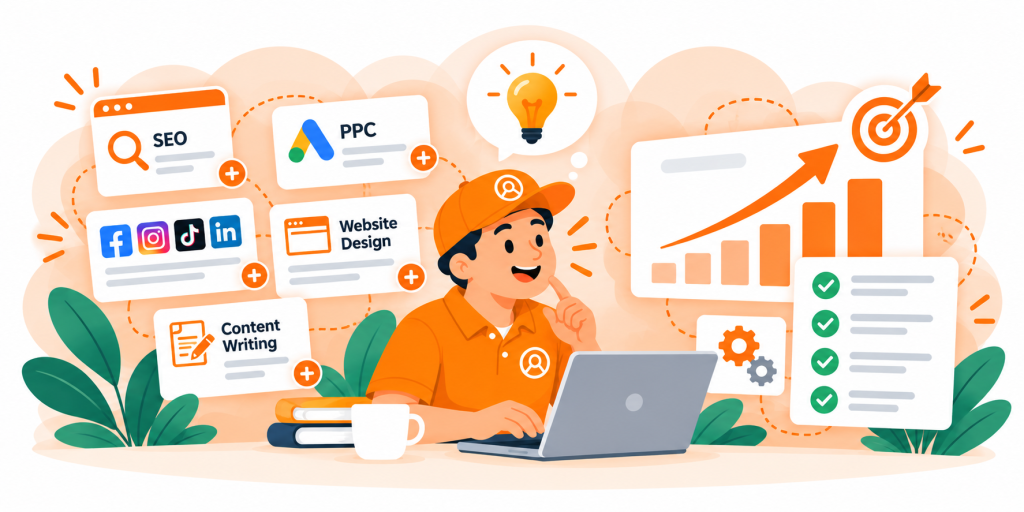
- Offer more services (SEO, content, social media, GMB, and more)
- Keep more profit (since fulfillment is already included)
- Focus on relationships and long-term clients instead of task lists
Conclusion
As an agency owner, your growth shouldn’t depend on working more hours. It should depend on how you set up your business.
At White Label Licensing Program, we believe in letting experts do the heavy lifting so you can focus on building something real without needing a big team, expensive hires, or years of setup.
If you’re tired of doing it all alone or feel like you’re stuck offering the same service year after year, this might be the next step you didn’t know you needed.